Tectonic abstraction

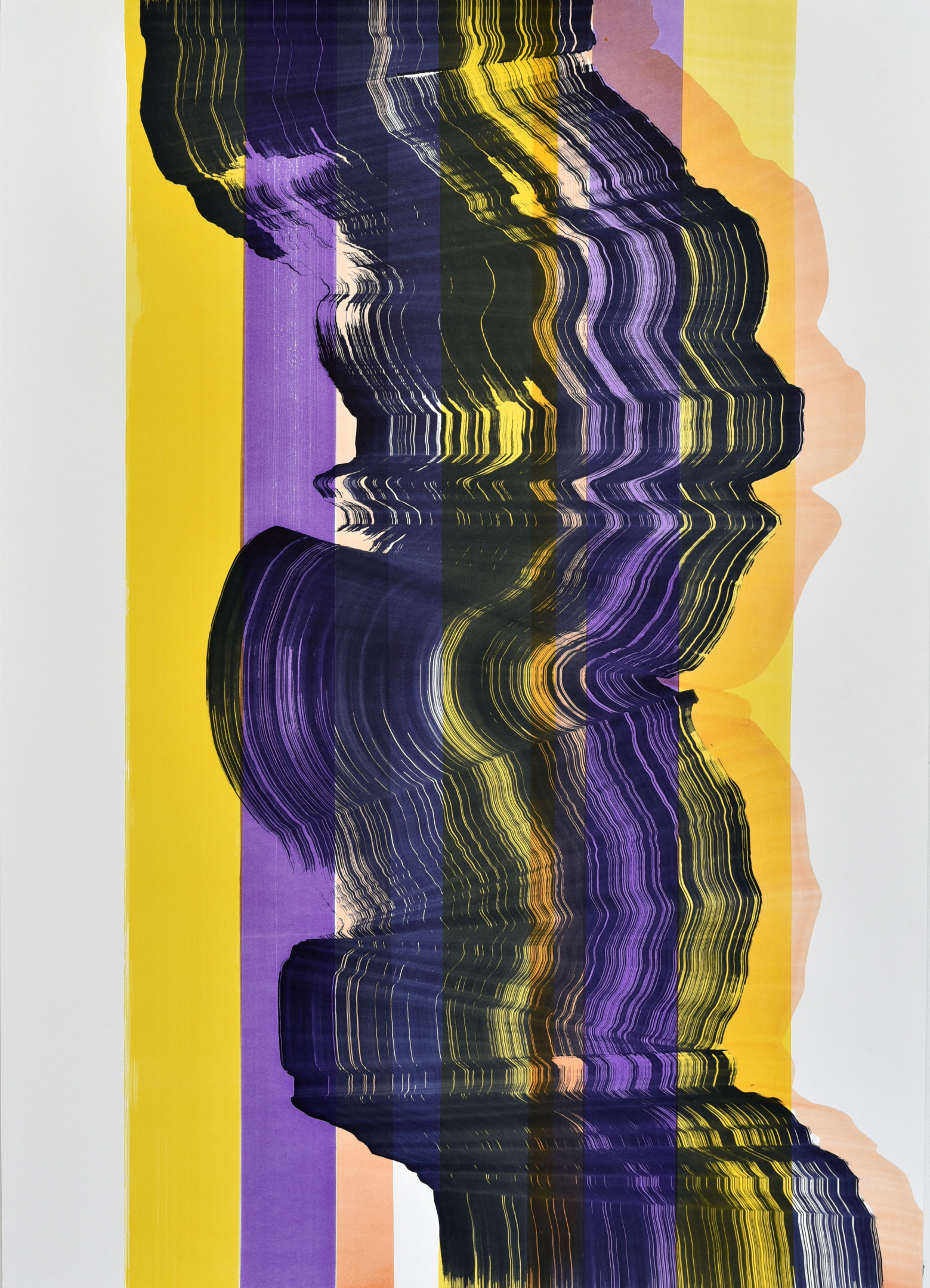
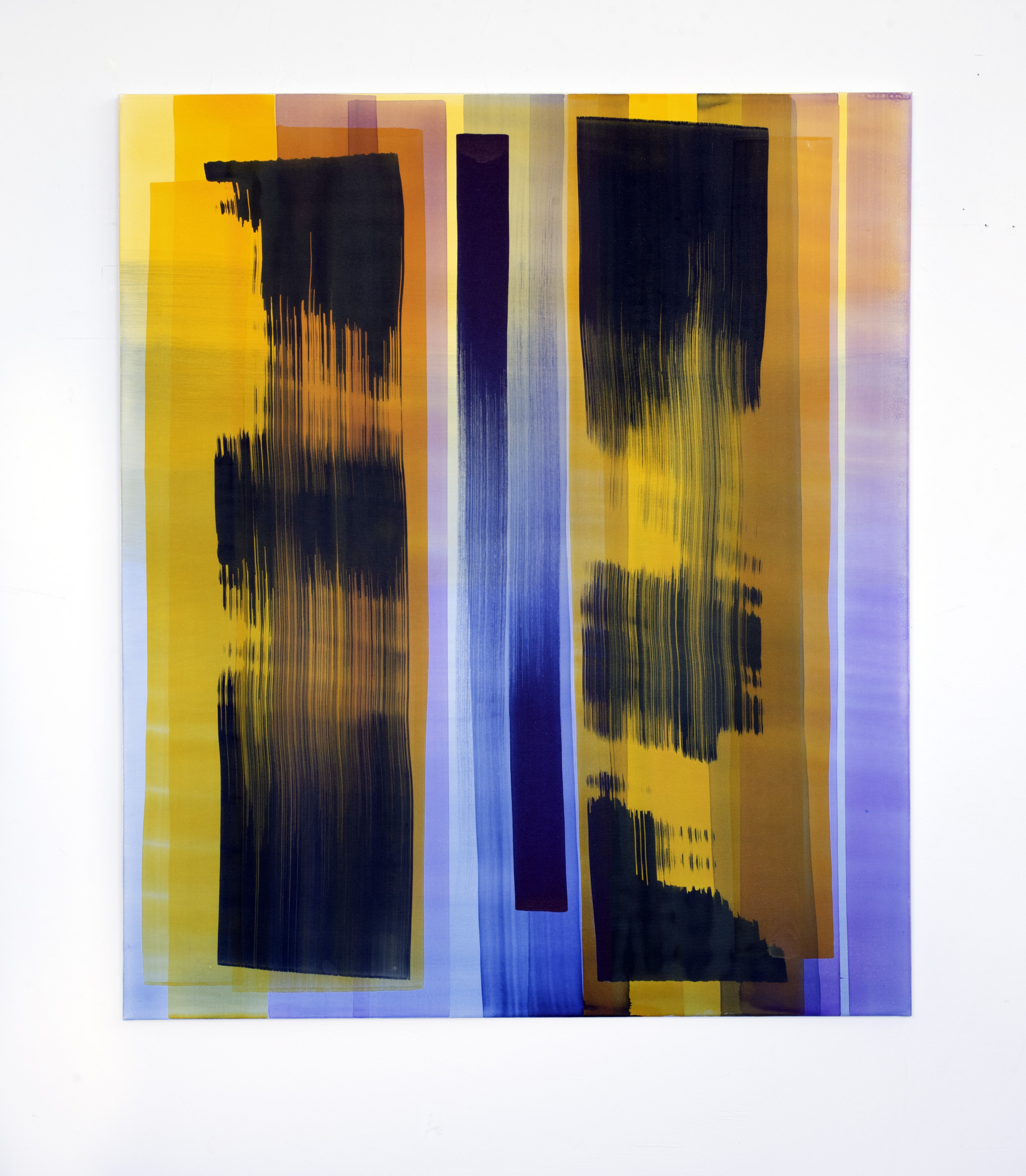
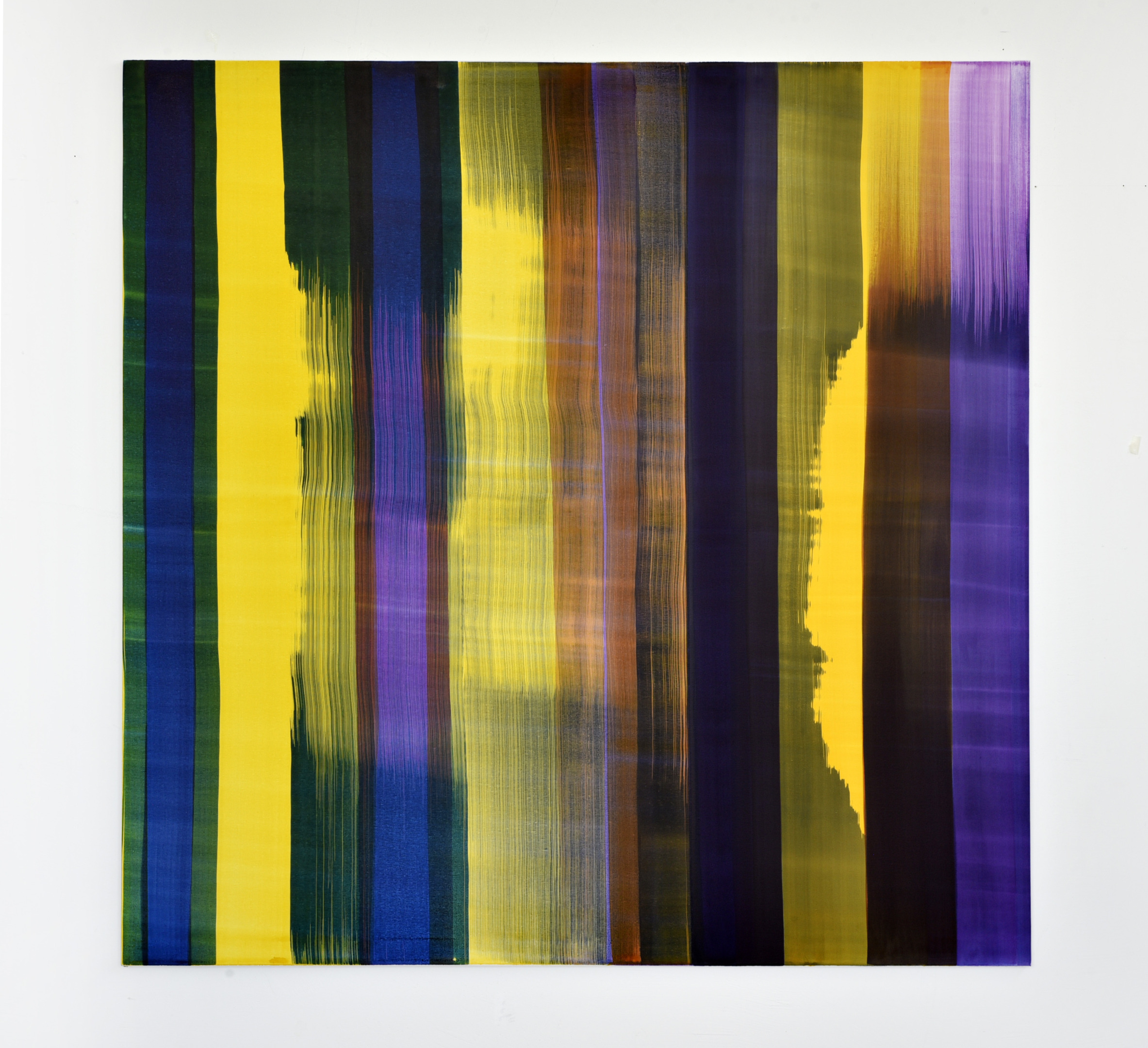
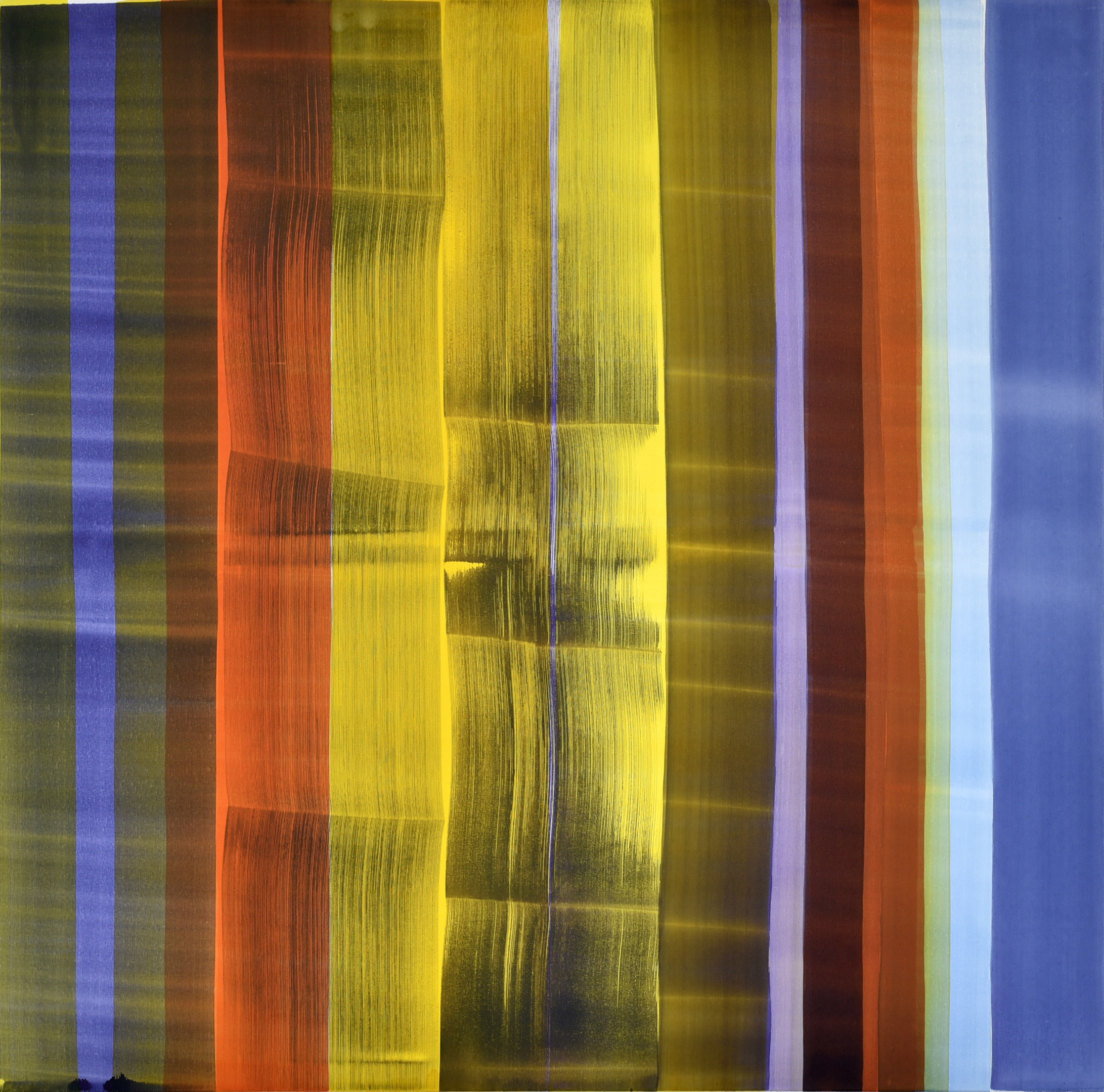
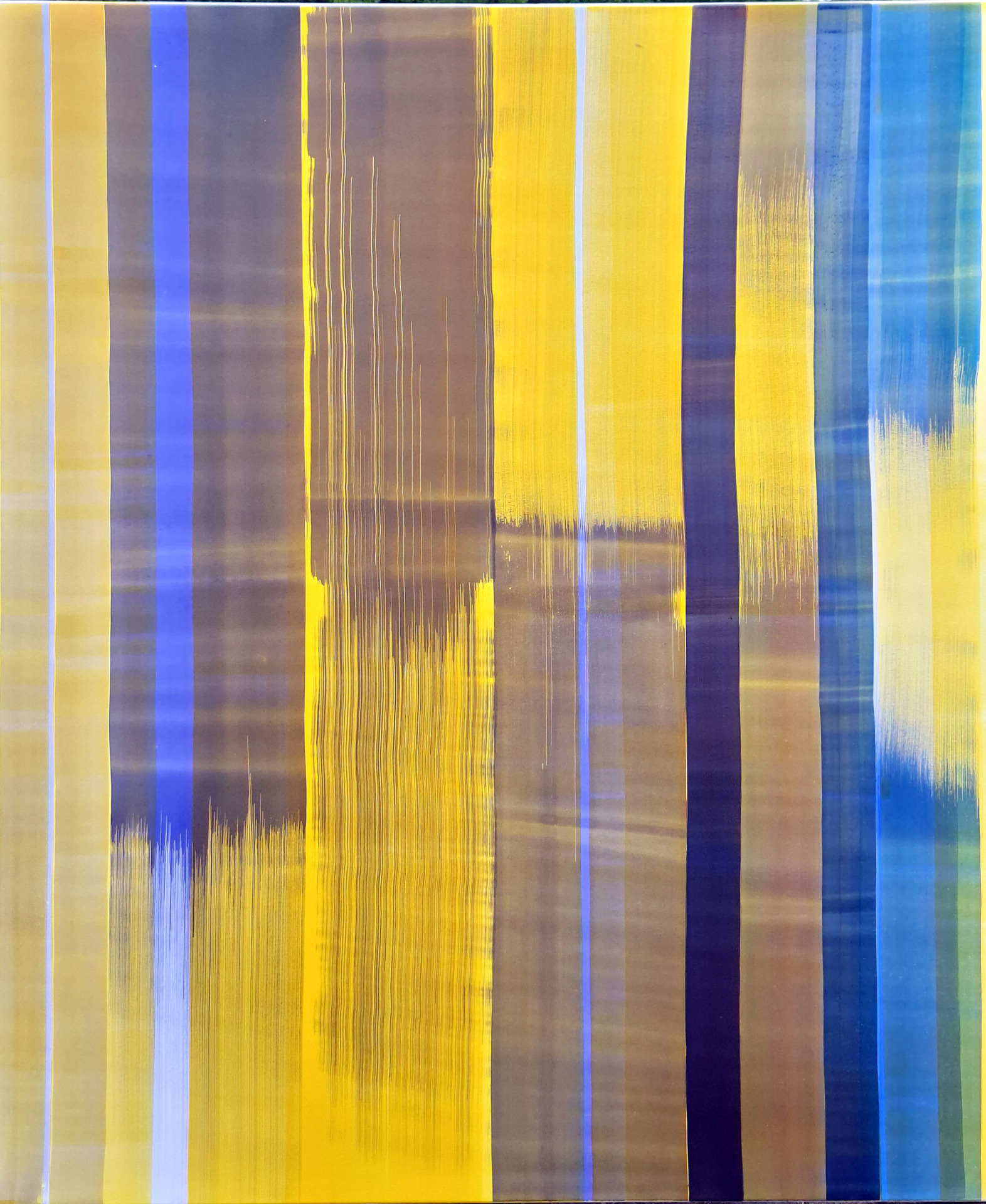
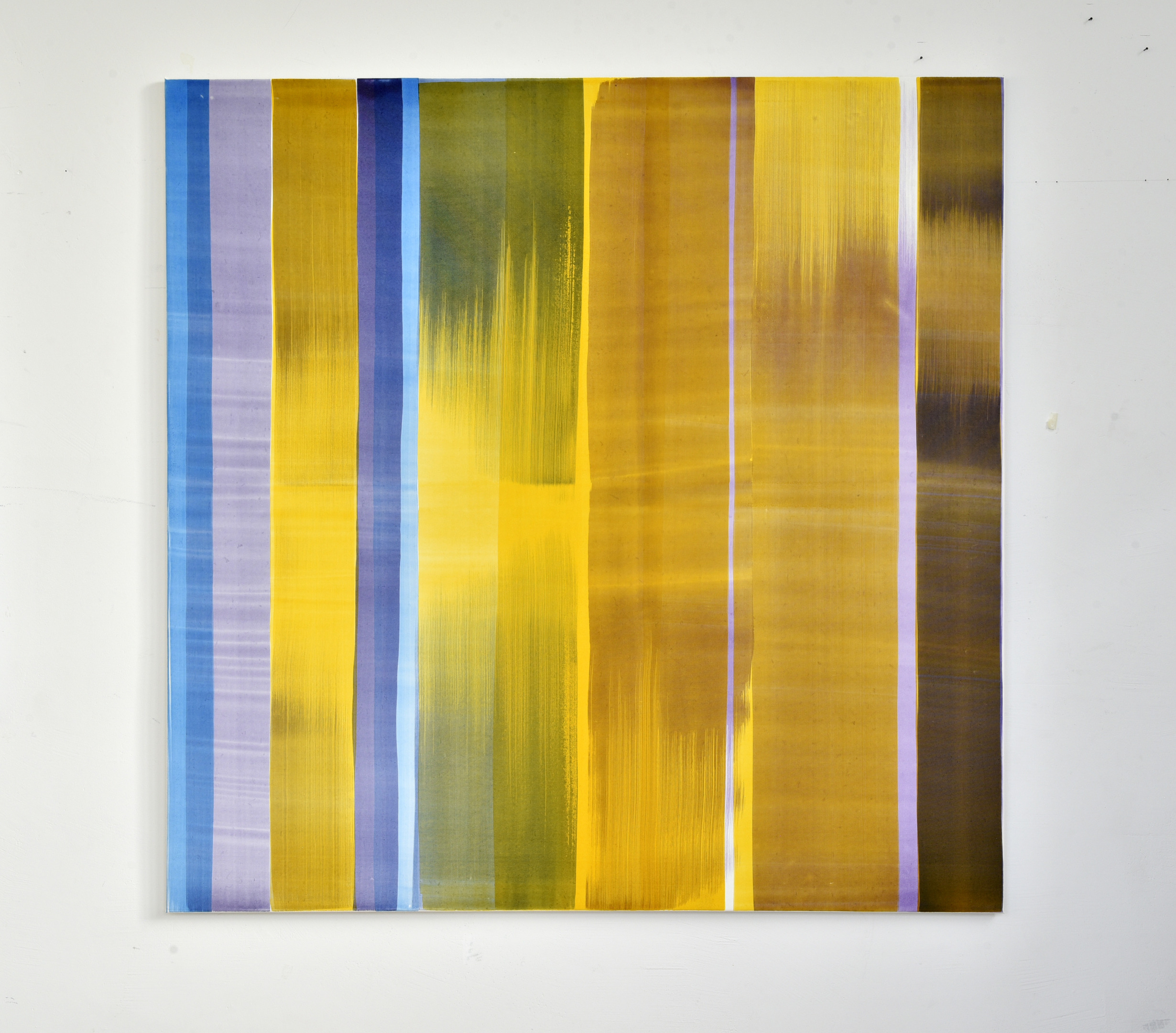
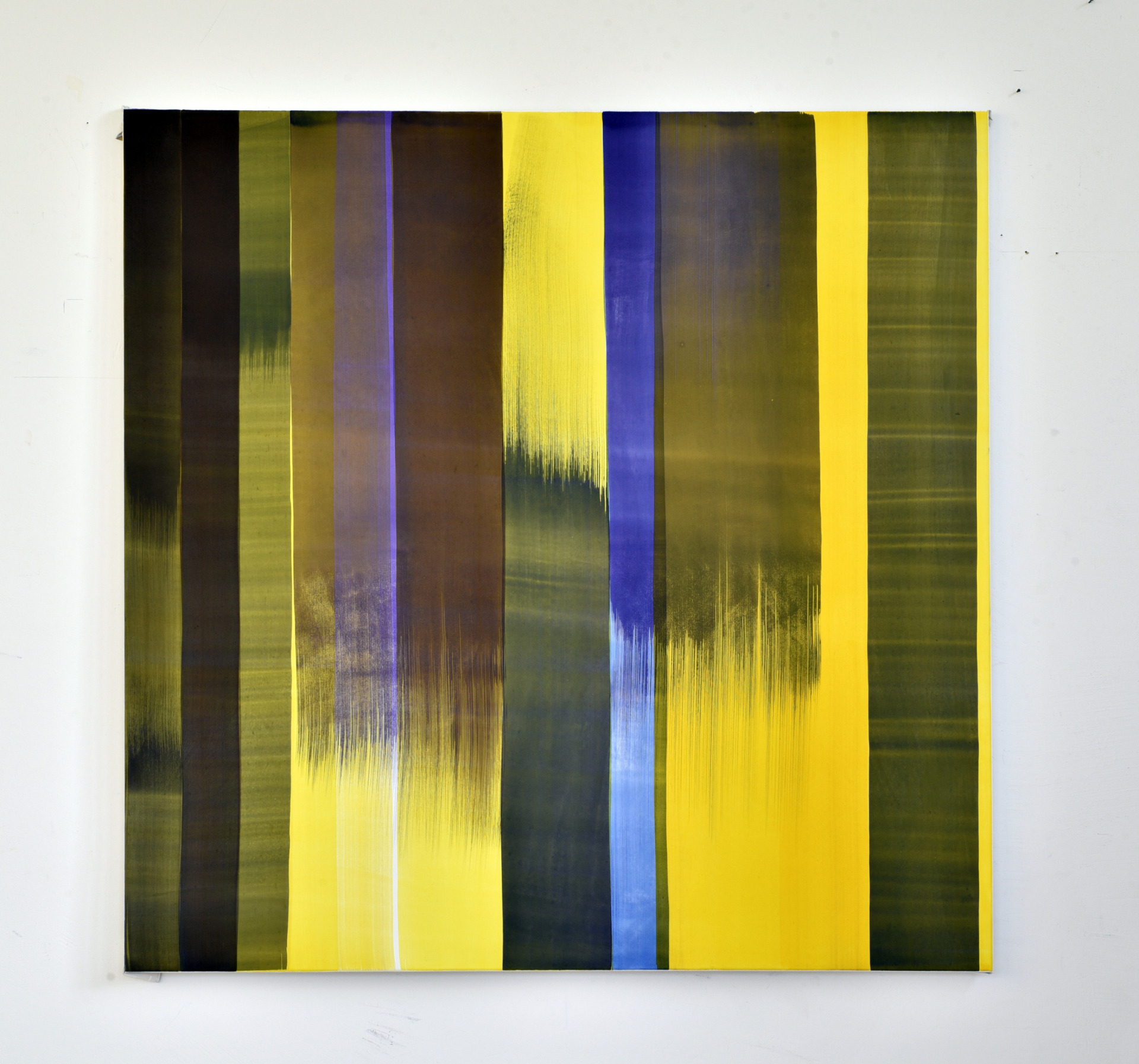
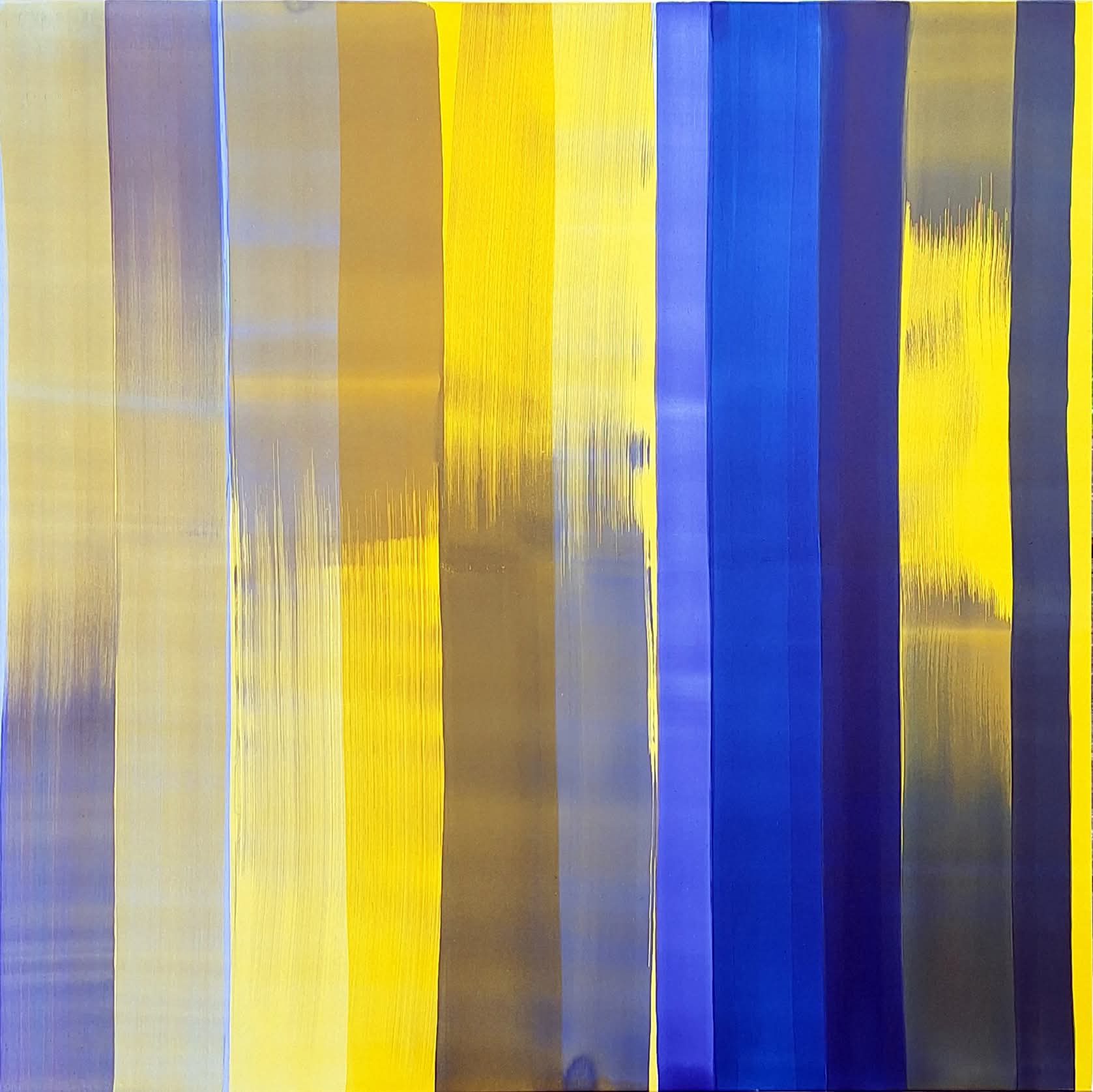
These paintings explore a form of tectonic abstraction in which structure emerges through the accumulation of repetitive painterly operations. Broad brushstrokes are layered into stratified pictorial fields whose internal order is shaped by simple rules and their continuous variation. Rather than following a predetermined composition, each painting develops gradually as a tectonic structure through the process of painting itself. Layers, shifts, and disruptions register the interactions of movement, time, and material, evoking geological strata, seismic recordings, and other dynamic systems. In this sense, painting functions as an analogue method of inquiry, generating visual models for phenomena that cannot be directly observed.
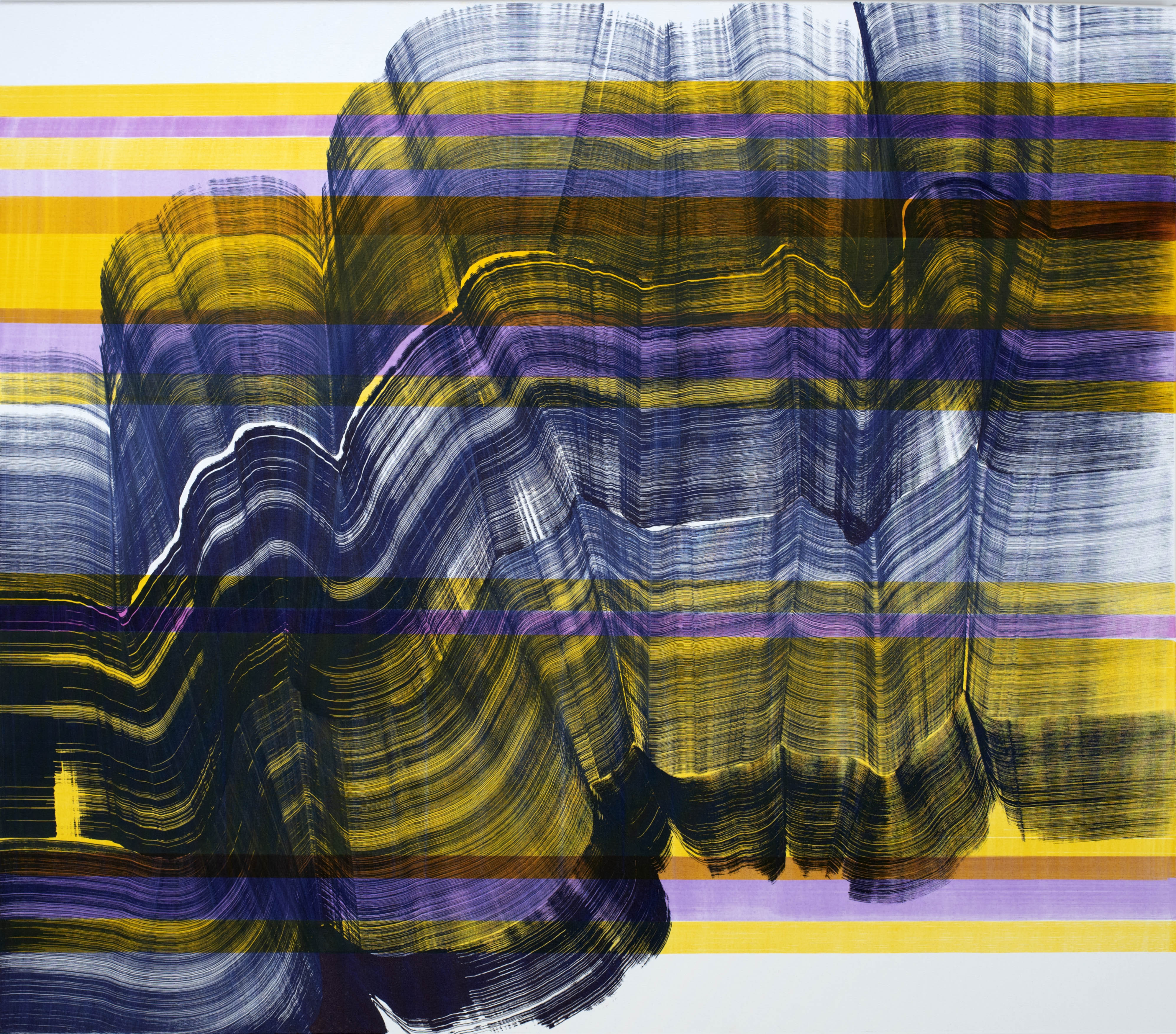
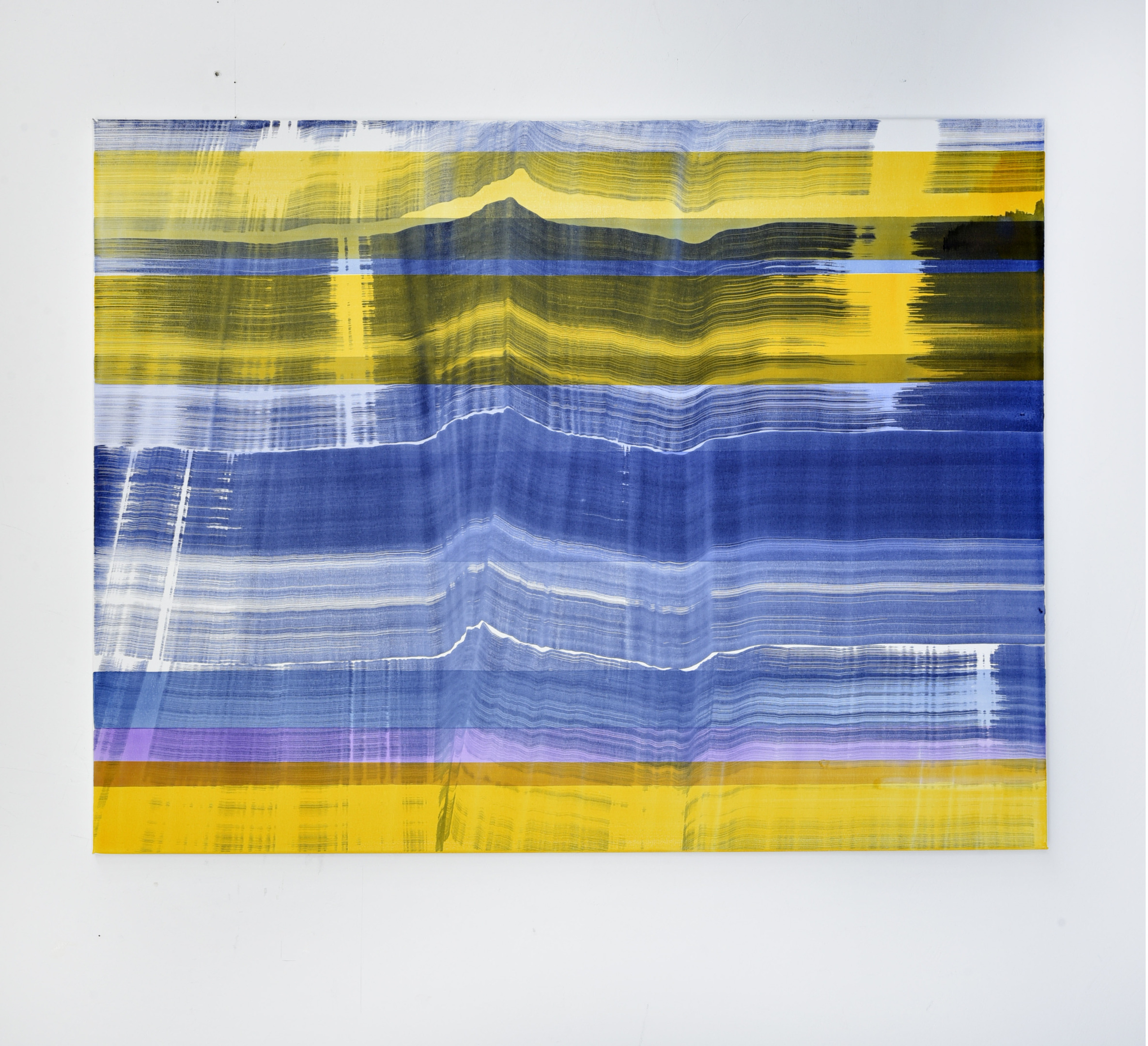
op120526.

op120526.

op120526. acrylic ink on canvas 150x150cm
Op180226.

Op180226.

op180226. acrylic ink on canvas, 170 x 170 cm
This work is constructed through repeated, layered gestures applied in very thin, translucent passages of ink. The surface builds up slowly through overlapping geometric segments, where each layer slightly shifts in tone, direction, and density. Subtle variations accumulate, producing a muted, iridescent field that changes with light and viewing angle.
From a distance the painting appears restrained and nearly uniform, but at close range its internal structure begins to unfold into small displacements, rhythms, and optical tensions. The layered surface reacts sensitively to movement, making the work difficult to photograph accurately — much of its visual information exists between visibility and disappearance. Rather than depicting an image, the painting functions as a perceptual field shaped by repetition, duration, and instability.
acrylic ink on canvas, 170 x 170 cm
close up
op141125.

op141125.

3 separate pieces, 42x59cm acrylic on paper

Op151025.

Op151025.

each panel: 20x120cm acrylic on canvas